
Windows, shopfronts and roller shutters
A new window only performs the way the brochure says if it is fitted properly. The value isn’t in the profile itself but in the seal between frame and wall: that is where air, water and noise get through.
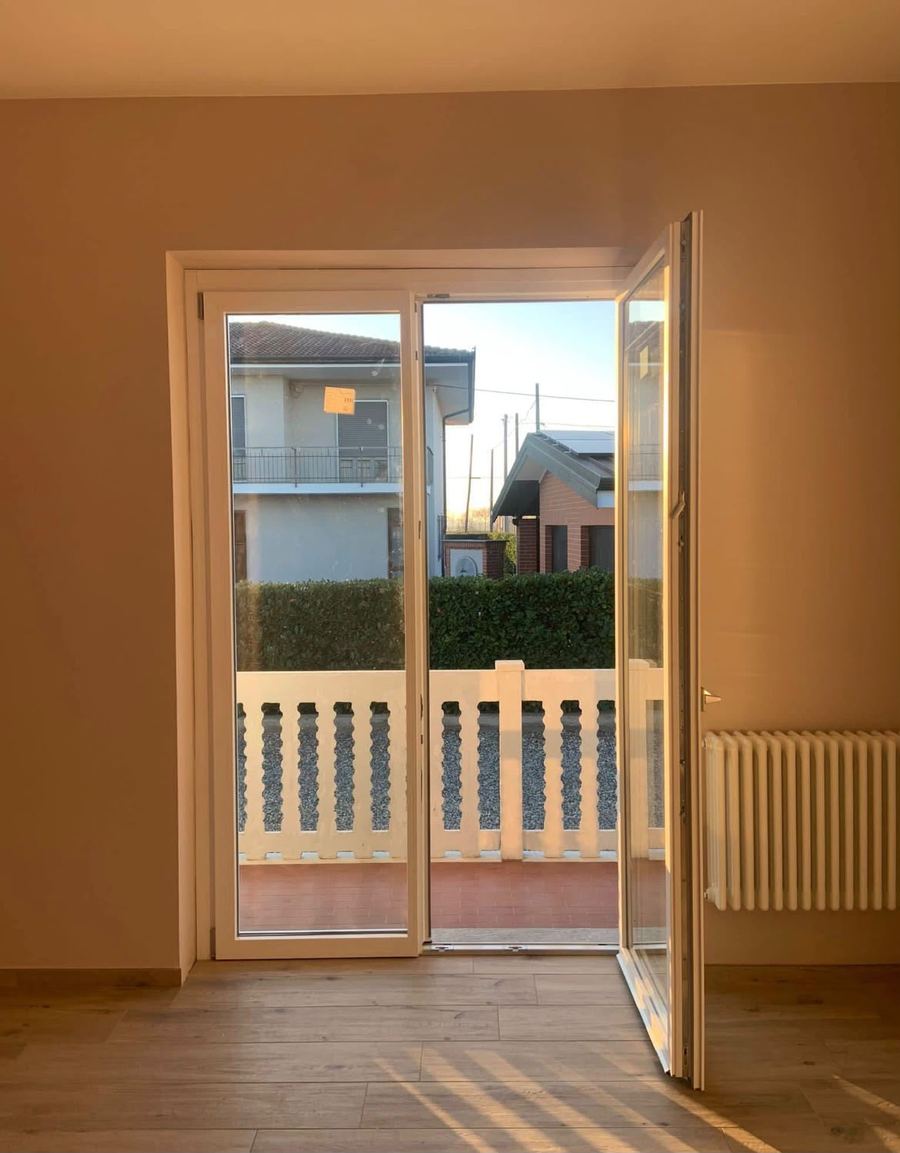
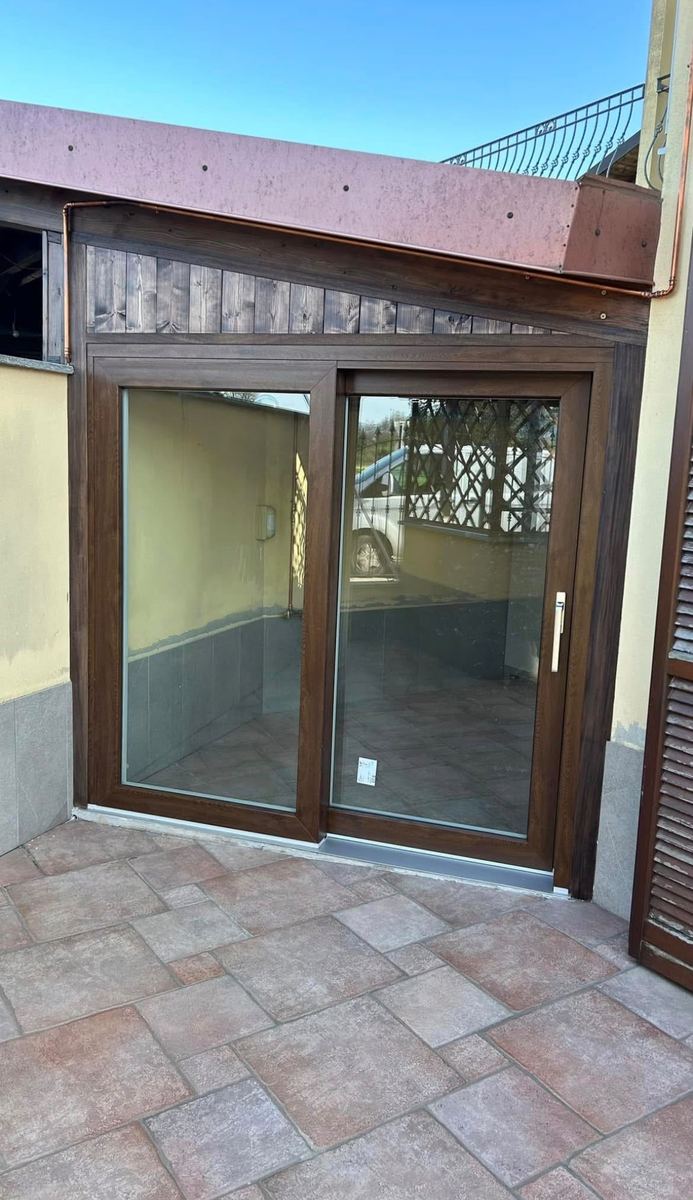
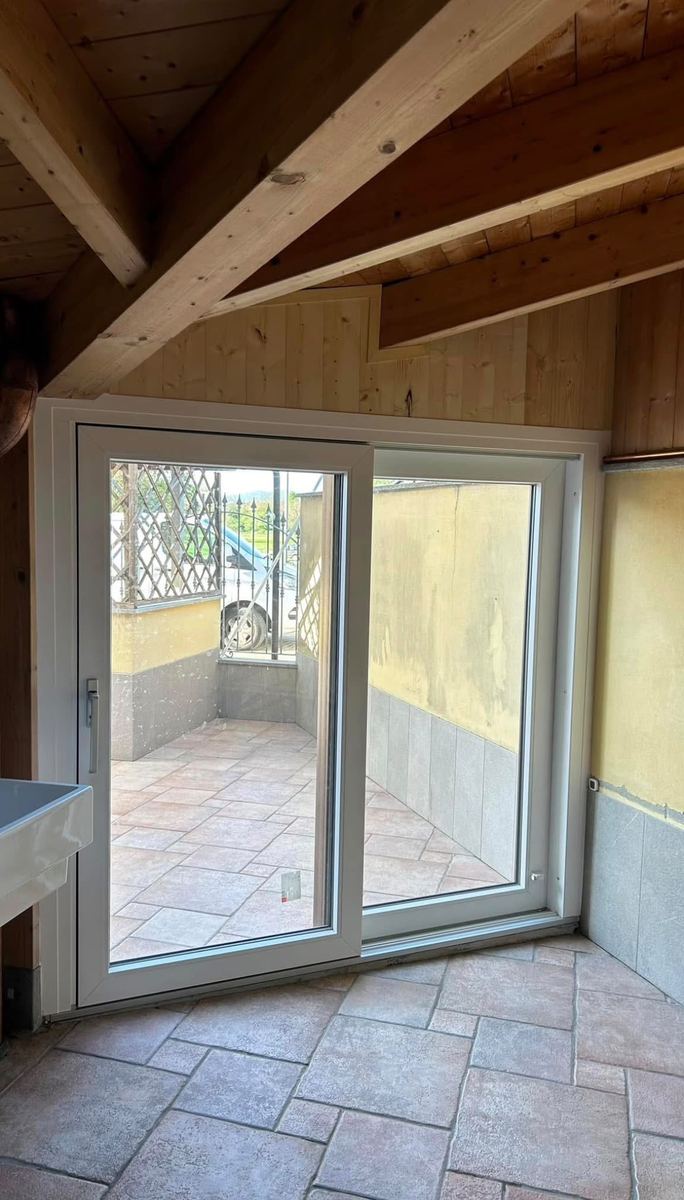
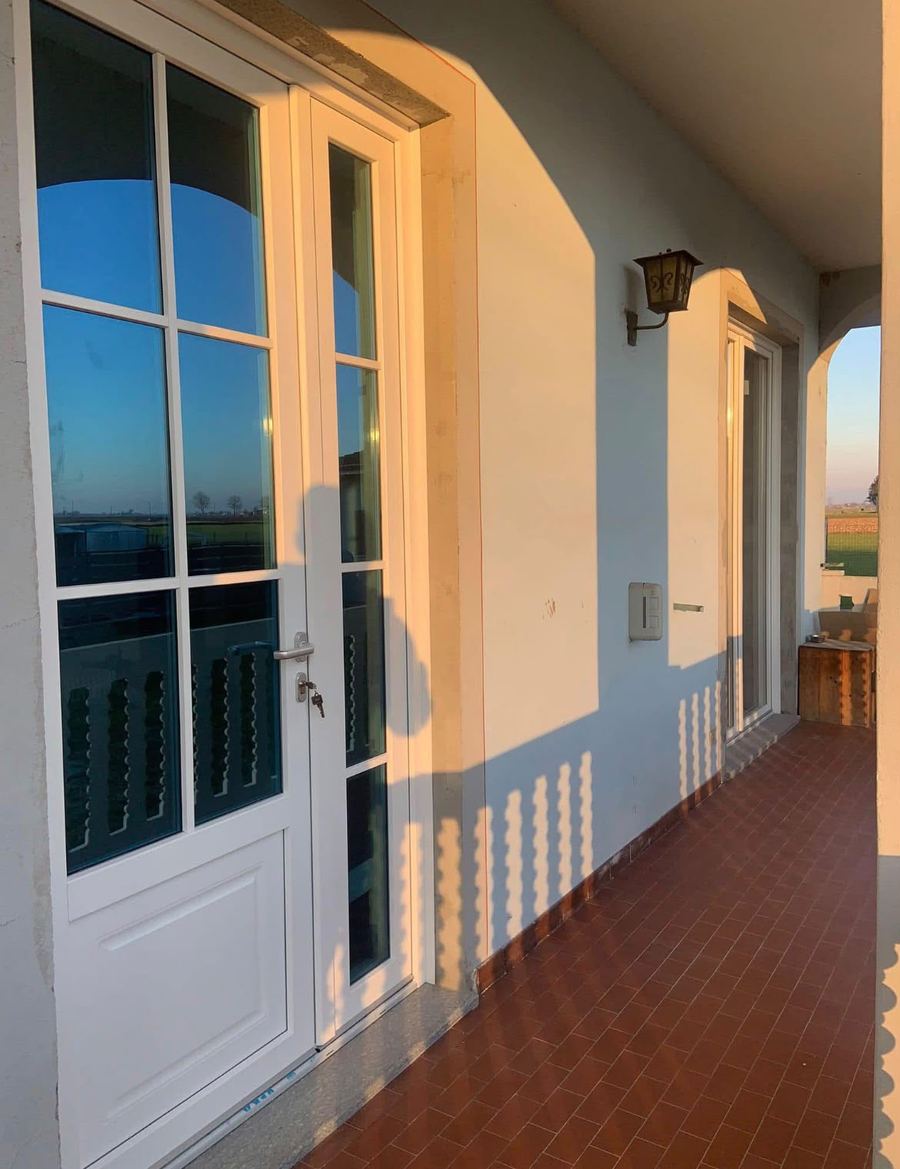
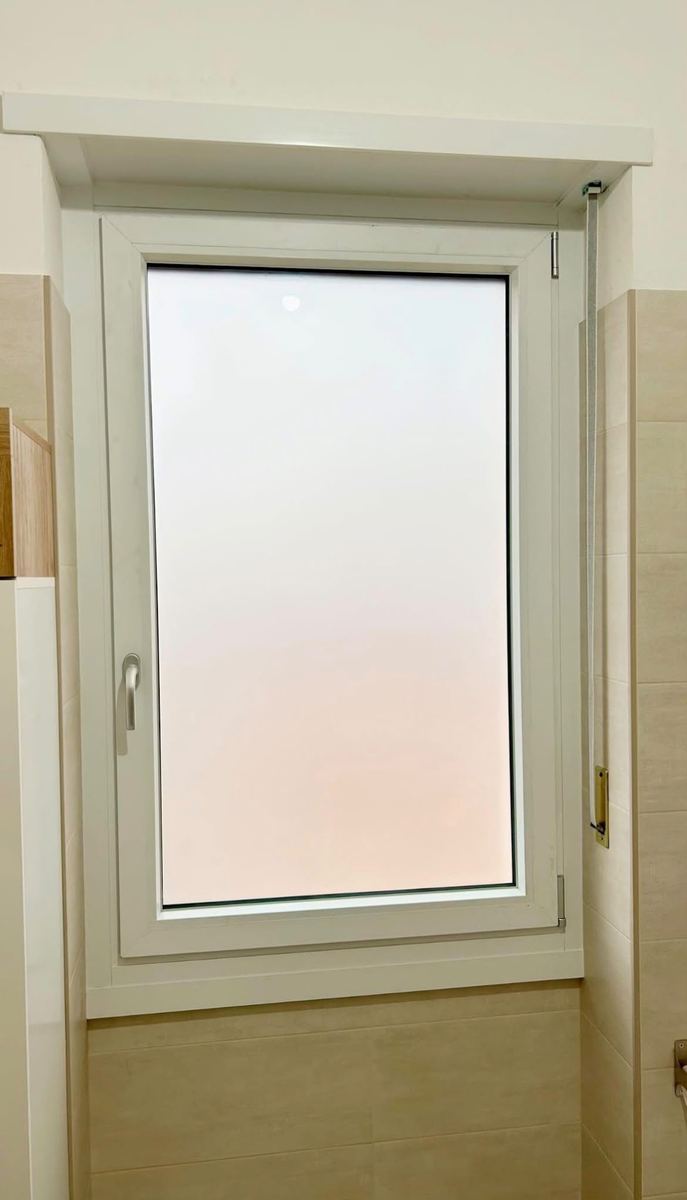
We replace uPVC and thermally broken aluminium windows and doors, roller shutters including motorised ones, security shutters and shopfronts, making good the internal reveals and adjusting the hardware at the end.
What we work on
uPVC windows
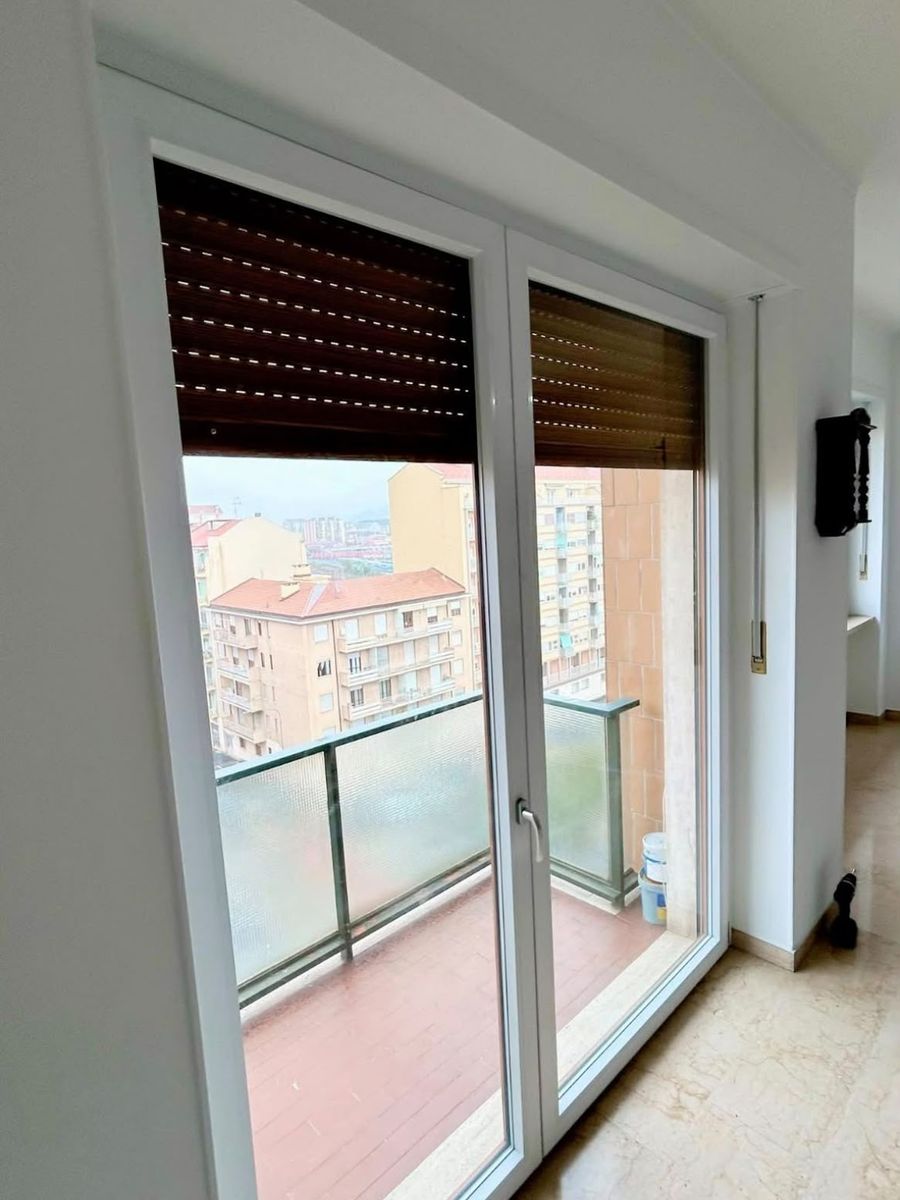
Double or triple glazed, the best performance for the money, with good beading and gaskets.
Thermally broken aluminium
For large openings and sliders, where you need a slim, rigid frame.
Doors and entrance doors
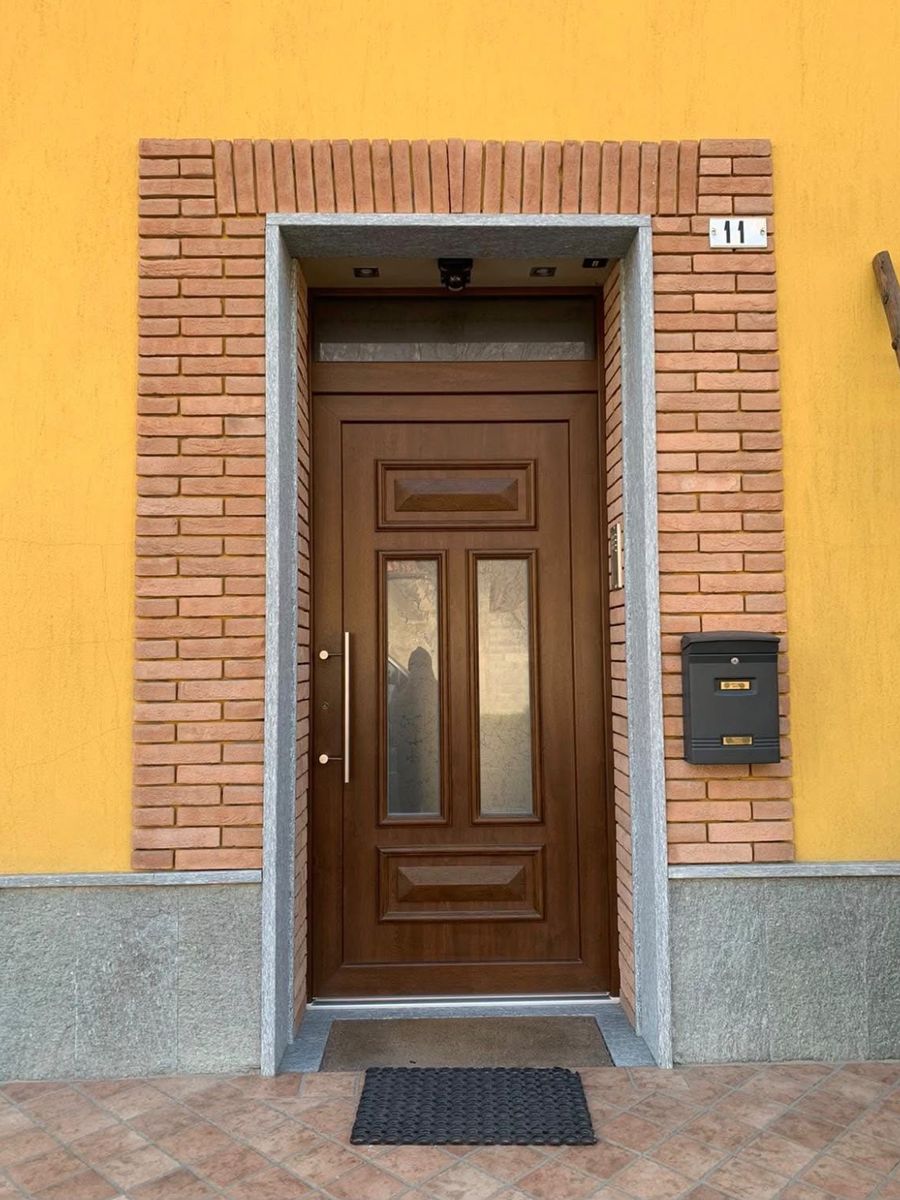
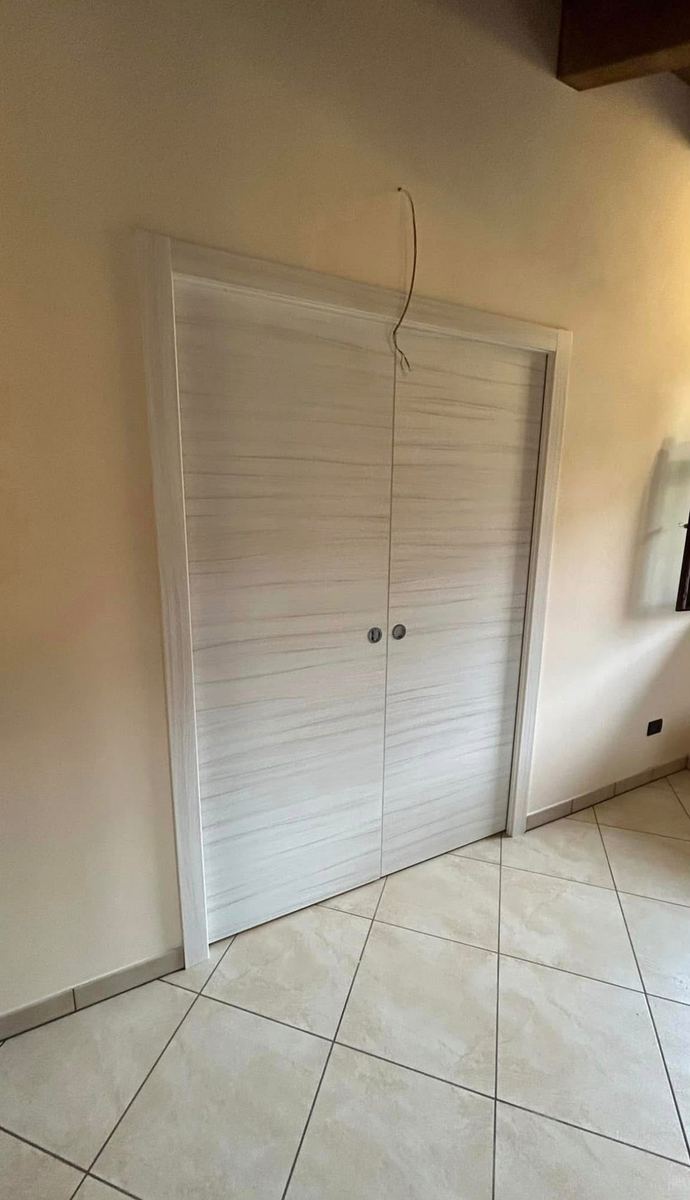
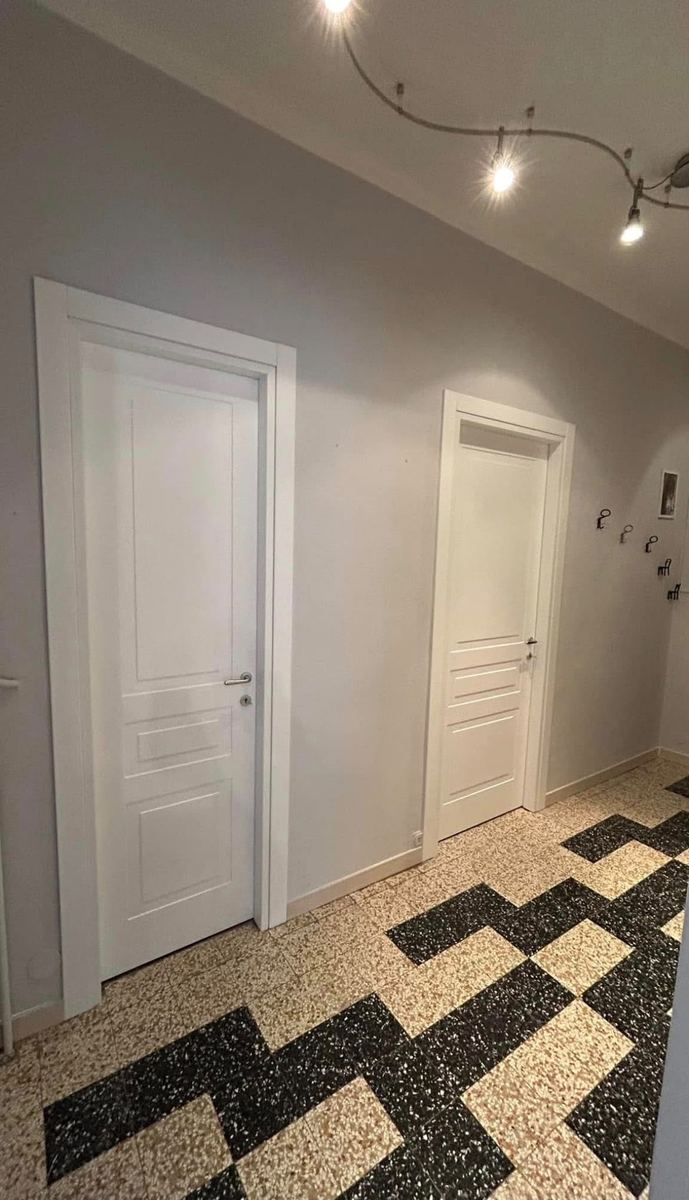
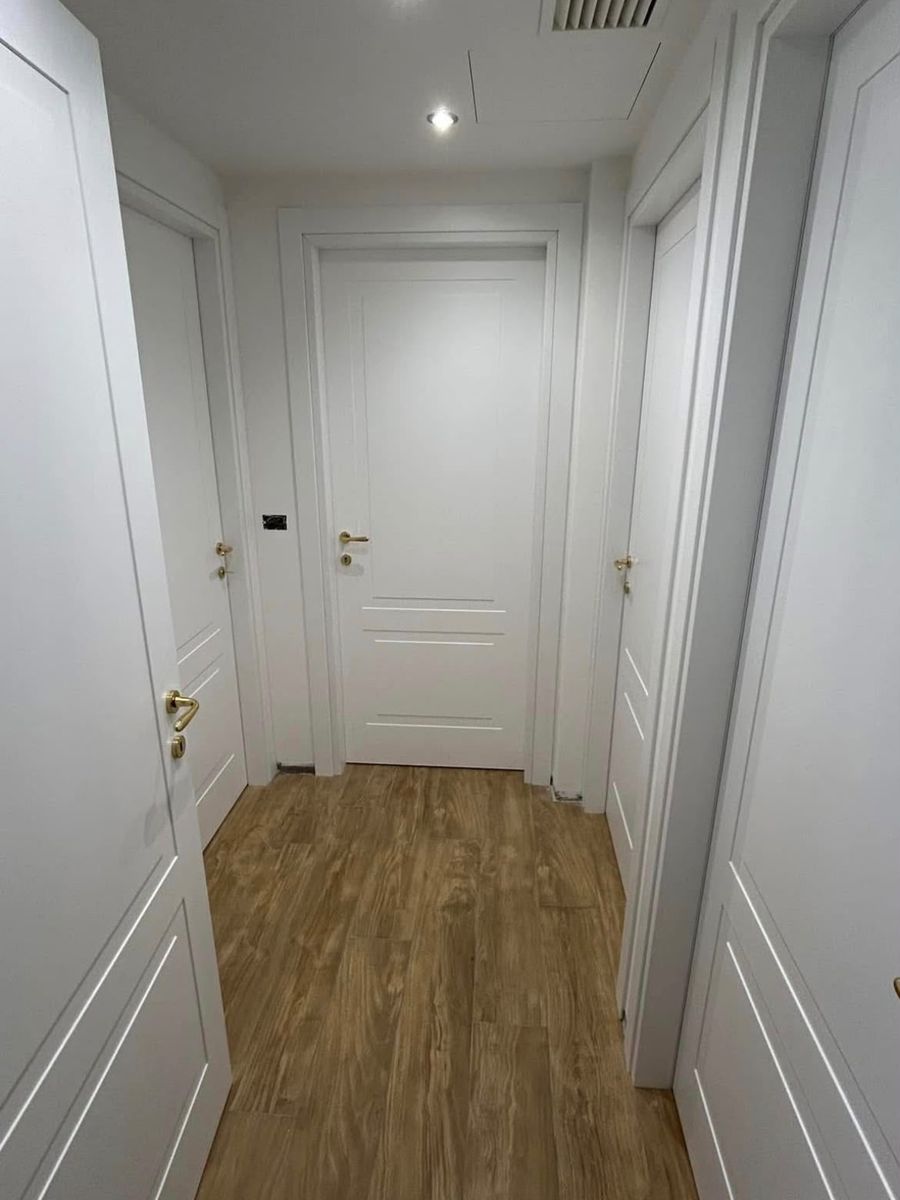
Security or insulated entrance doors, internal doors and subframes.
Shutters and roller blinds
Roller shutter replacement, motorising existing shutters, insulated boxes and motorised security shutters.
Shopfronts
Shopfronts and entrances for businesses, fitted outside trading hours.
Insect screens and shading
Roller insect screens and shutters, matched to the window chosen.
How a window gets fitted so it seals
Replacing two windows is a day’s work: what makes the difference is the fitting, not an extra day.
Surveying the openings
We measure every opening at three points, check square and plumb, and inspect the subframes and blind boxes. Two windows side by side in the same wall are rarely the same size: ordering to one dimension is the commonest mistake there is.
Choosing the spec
We settle the material, the glazing and the opening type from the aspect, the outside noise and how the room is actually used. In a bedroom facing the street, acoustic glass changes your life more than a tenth of a point of U-value.
Removal
Taking out the old windows without wrecking the plaster or the sills, and disposing of the material. Where the existing subframe is sound we keep it, which keeps the builder’s work down.
Installation
Mechanically fixed with correctly sized anchors, set level and plumb, and the joint sealed with expanding tape or foam plus an airtight tape inside. The joint has to be closed on both faces: airtight inside, weathertight outside.
Making good
Plaster and reveals made good, perimeter sealing, sills and architraves fitted. This is the stage that makes the window look as though it was always there.
Adjustment and testing
Hinges and locks adjusted, the seal tested and every sash checked to close with the same pressure. We leave you the product data sheets and the instructions for looking after the gaskets.
Useful technical figures
We give you a price once we have seen the job
Sizes, type of window, the state of the opening and access all change the final cost a lot. We come and measure up at no obligation and leave you a written, itemised quote.
Book a site visit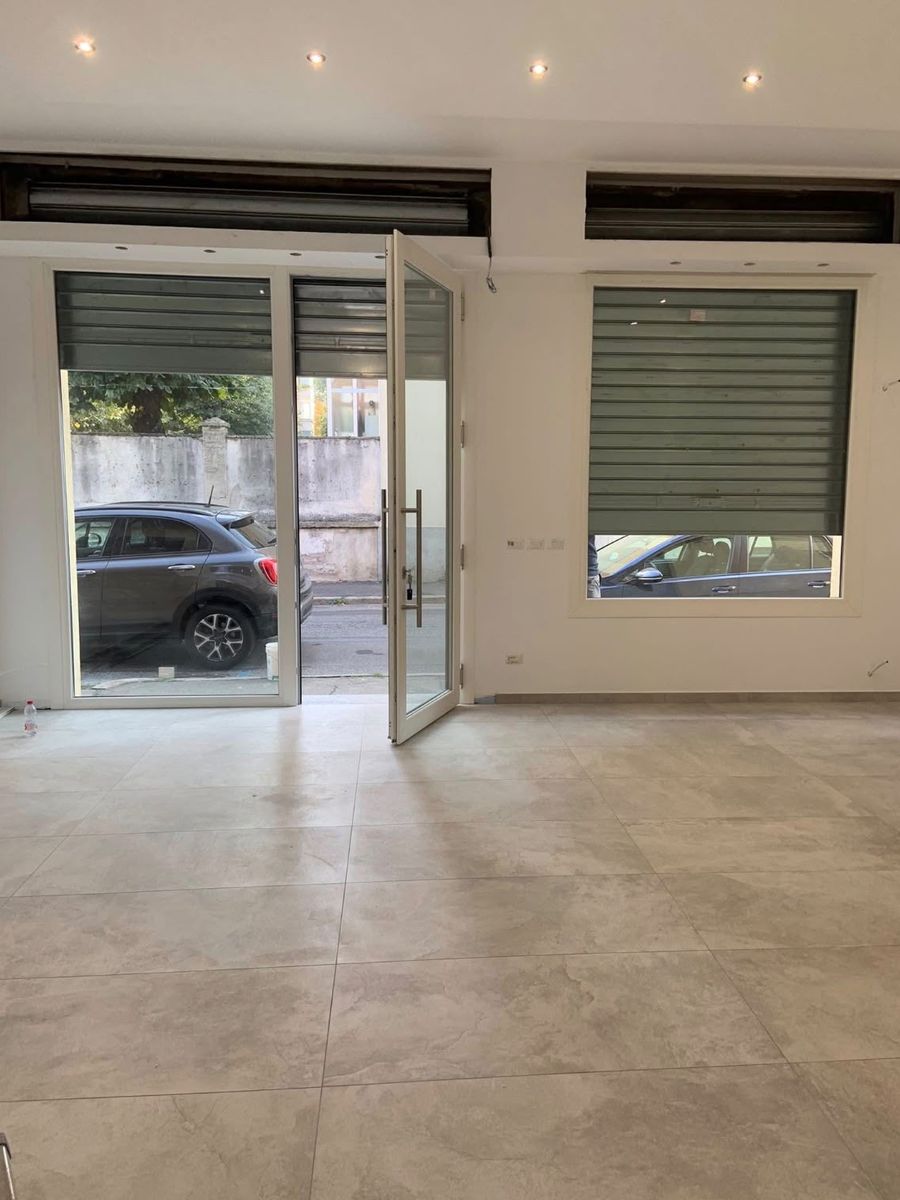
Questions about windows
Can a window be replaced without breaking into the walls?
In most cases yes: if the existing subframe is sound, the new window goes onto it with only minor making good around the reveals. If it is twisted or rotten it is better taken out: you lose a bit of plaster, but the whole seal depends on it.
uPVC or aluminium?
For normal-sized windows, uPVC gives the best performance for the money. Thermally broken aluminium is worth it on large openings, sliders and shopfronts, where you need a slim, rigid frame. At the survey we tell you which makes sense for your openings, not which one we have in stock.
How long from order to fitting?
Usually 4-6 weeks, because the windows are made to measure. The fitting itself is quick: two or three windows in a day, with the room usable that same evening.
We’ll measure your openings
The survey is free, and the quote names the brand, the glazing and the performance figures rather than just a total.
Book the site visit